
Discovering Islamic Influence Through Spain’s Architecture and Light
When I booked my trip to Spain, I wasn’t searching for Islamic architecture. In fact, I knew very little about it.
My plan was simple: wander through Spain with my camera, photograph beautiful buildings, and enjoy one of Europe’s most celebrated architectural landscapes. Looking back now, I realize that this trip quietly changed the way I see architecture—and perhaps the way I see beauty itself.
I landed in Madrid and spent my first several days simply walking. No itinerary. No checklist. Just long hours exploring neighborhoods, watching people, and photographing whatever caught my eye.
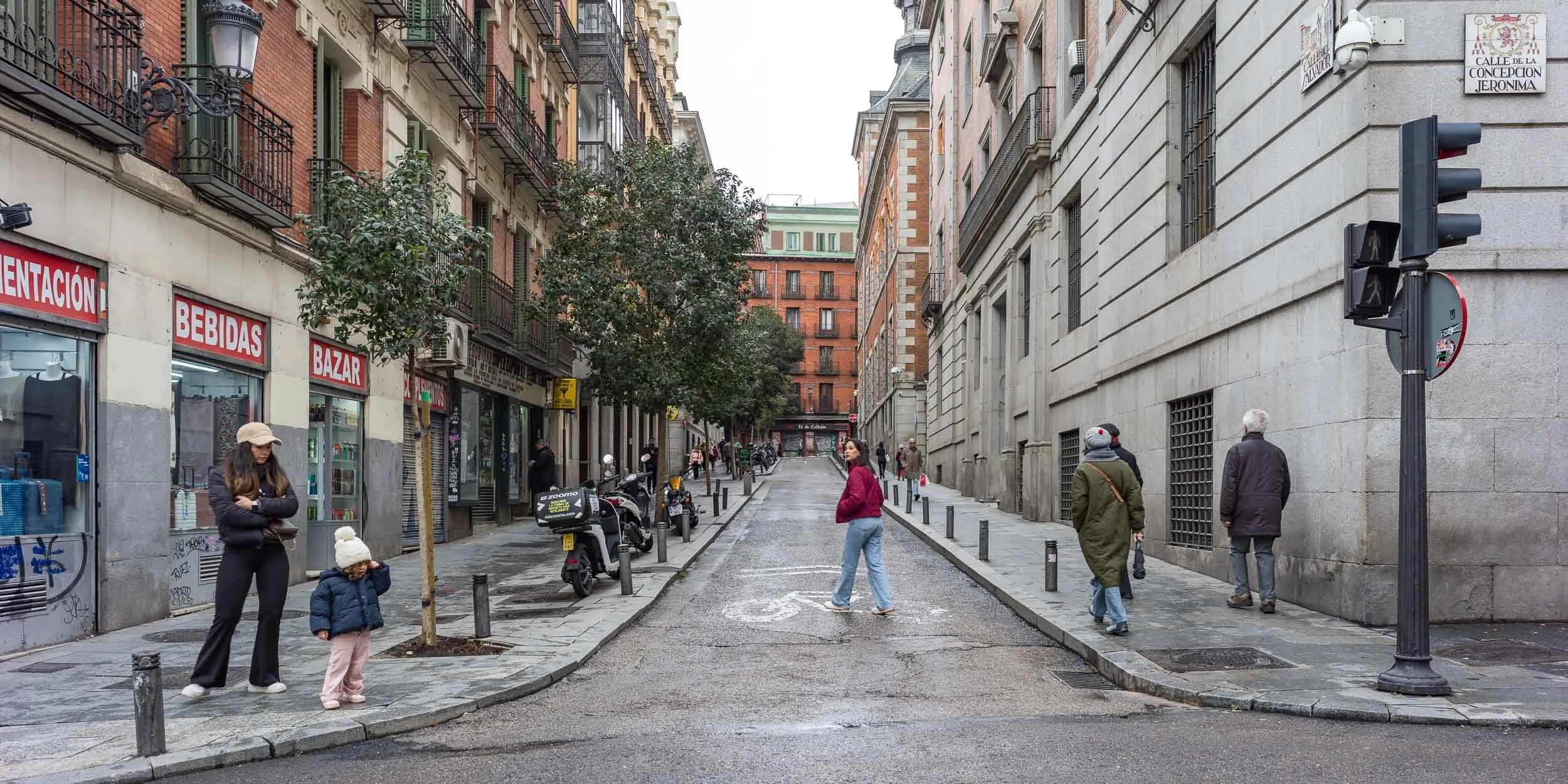
Madrid, Spain. Rainy few days…
Unfortunately, the weather had other plans. For nearly three days the skies remained gray, with clouds and intermittent rain. As an architectural photographer, that was disappointing. I have always loved low-angle sunlight grazing across a façade, revealing texture, depth, and every subtle detail carved into stone or brick. Flat overcast light has its place, but it wasn’t the vision I had imagined for Spain. Still, I kept walking.
Even without the sunlight, I began noticing something I couldn’t quite explain. The buildings seemed to possess a quiet rhythm.
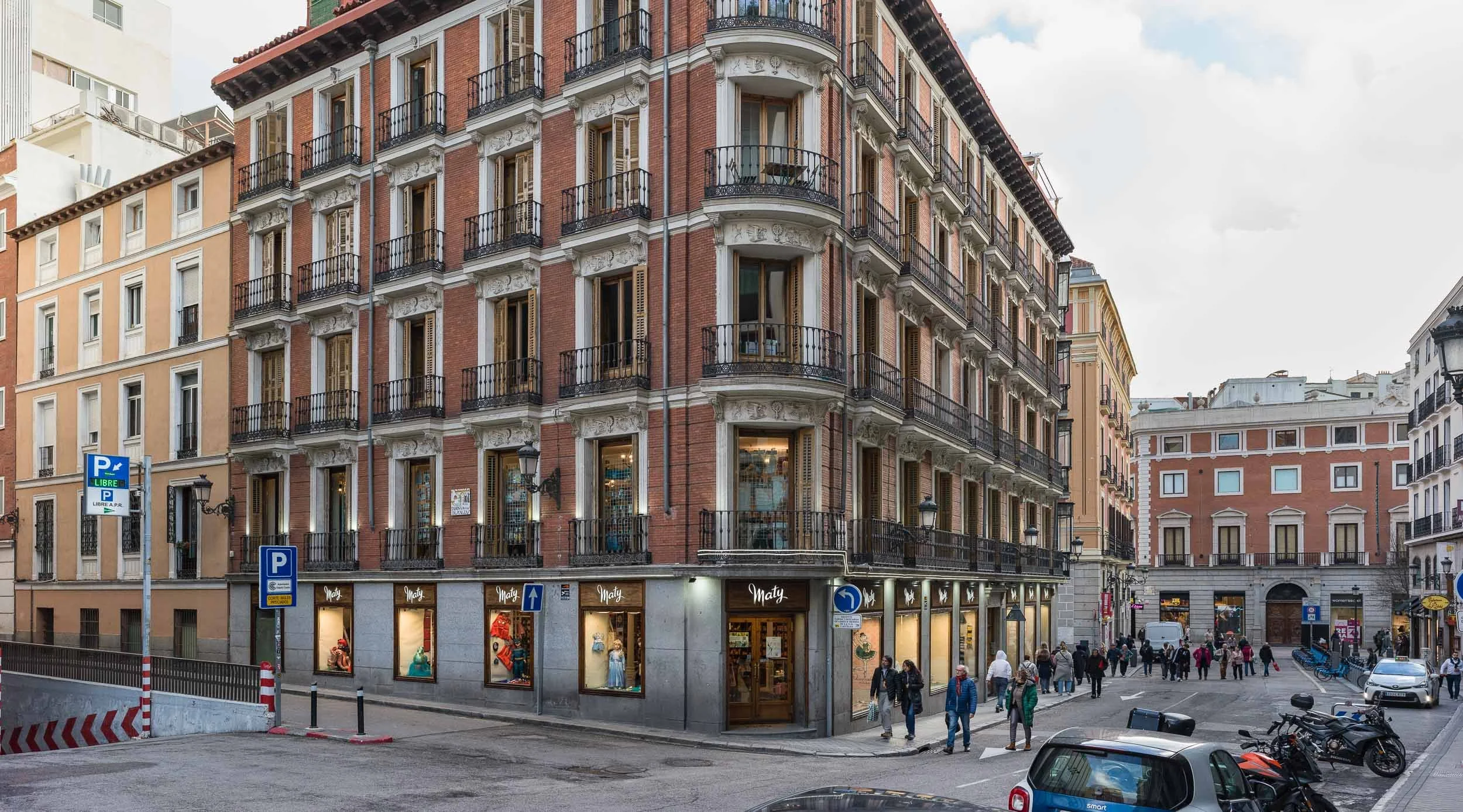
Madrid, Spain. Weather getting slightly better. Those repeating window and balconies are so nice to look at.
Rows of identical windows. Repeating geometric patterns. Strong symmetry softened by wrought-iron balconies, decorative screens, and subtle architectural details that kept the buildings from feeling rigid or cold. There was order, yet there was warmth.
At the time, I simply appreciated the beauty. I had no idea that these repeating patterns would later remind me of one of the defining characteristics of Islamic design.
By the third day, the clouds finally broke. The afternoon sun emerged, casting long rays across Madrid’s streets. The buildings suddenly came alive. Every stone edge, every carved detail, every shadow gained depth.
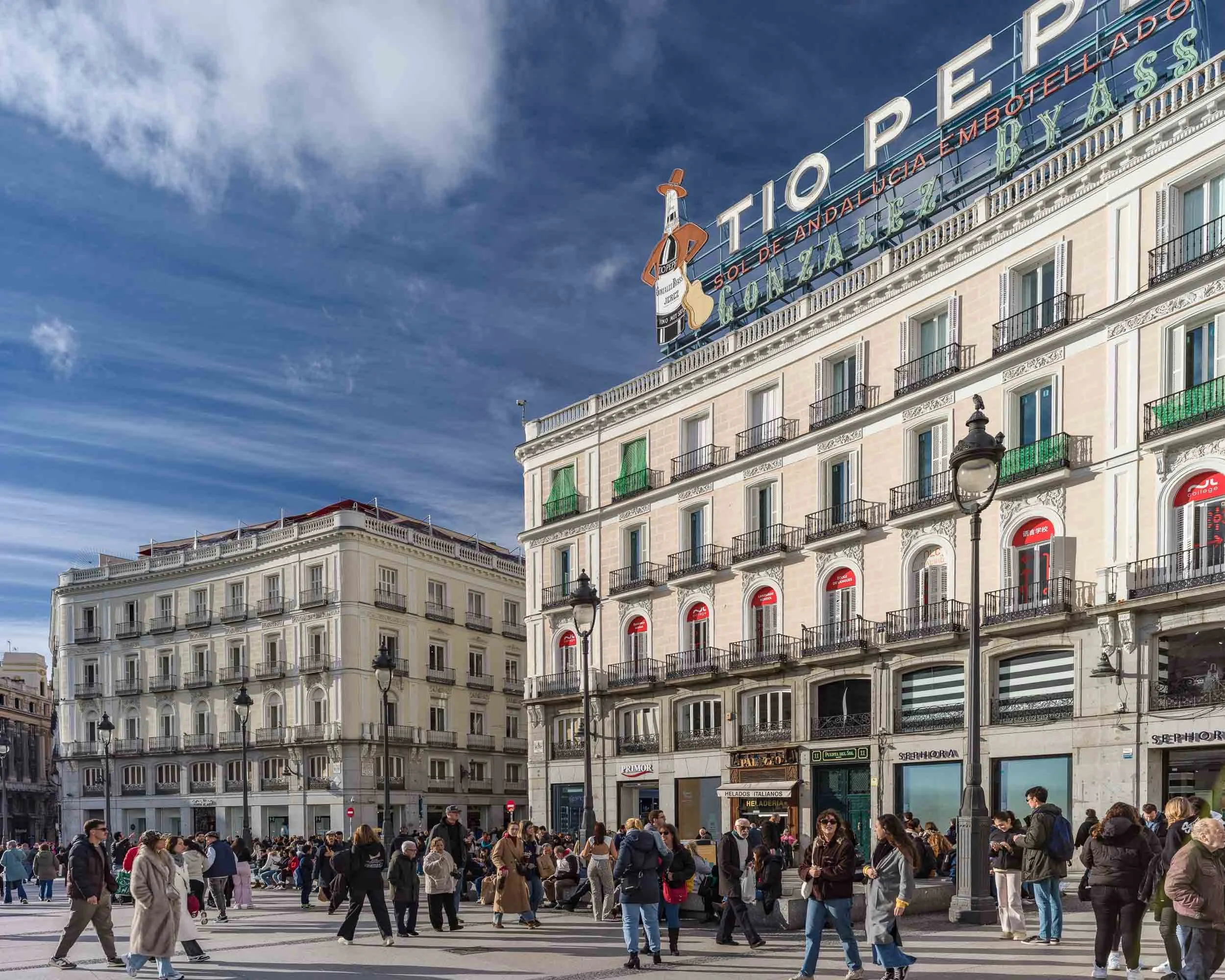
Puerta Del Sol. Madrid, Spain. Befittingly named “Gate of the Sun” Literally this was my first sunlit day since I landed in Madrid!
Light does more than reveal architecture. It creates emotion. For me, low-angle sunlight has always carried a sense of peace. It reminds me of quiet weekend mornings as a child, lying awake before everyone else had gotten out of bed, watching sunlight stream through a window while tiny dust particles drifted through the air. Those moments felt calm, safe, and timeless.
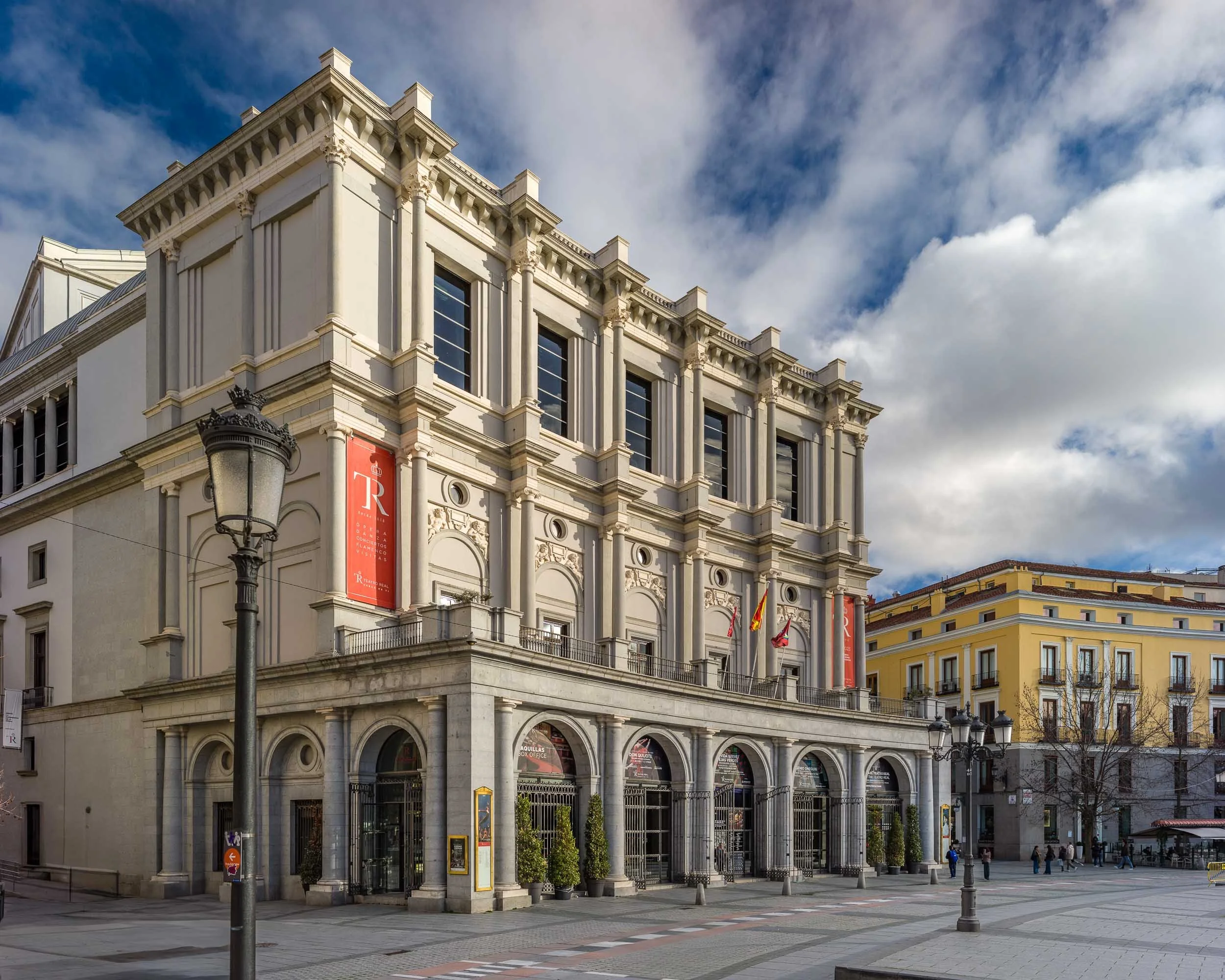
Teatro Real, Madrid Spain. The oblique sunray shows off the curvature of this building.
Perhaps that’s why I continue chasing that kind of light with a camera today. I suspect many of us have emotional connections to light without realizing it. A sunrise feels hopeful. A sunset feels peaceful. Light isn’t just something we photograph—it shapes how we experience a place.
As I continued exploring Madrid, another building stopped me in my tracks: the Plaza de Toros de Las Ventas, Madrid’s famous bullring.
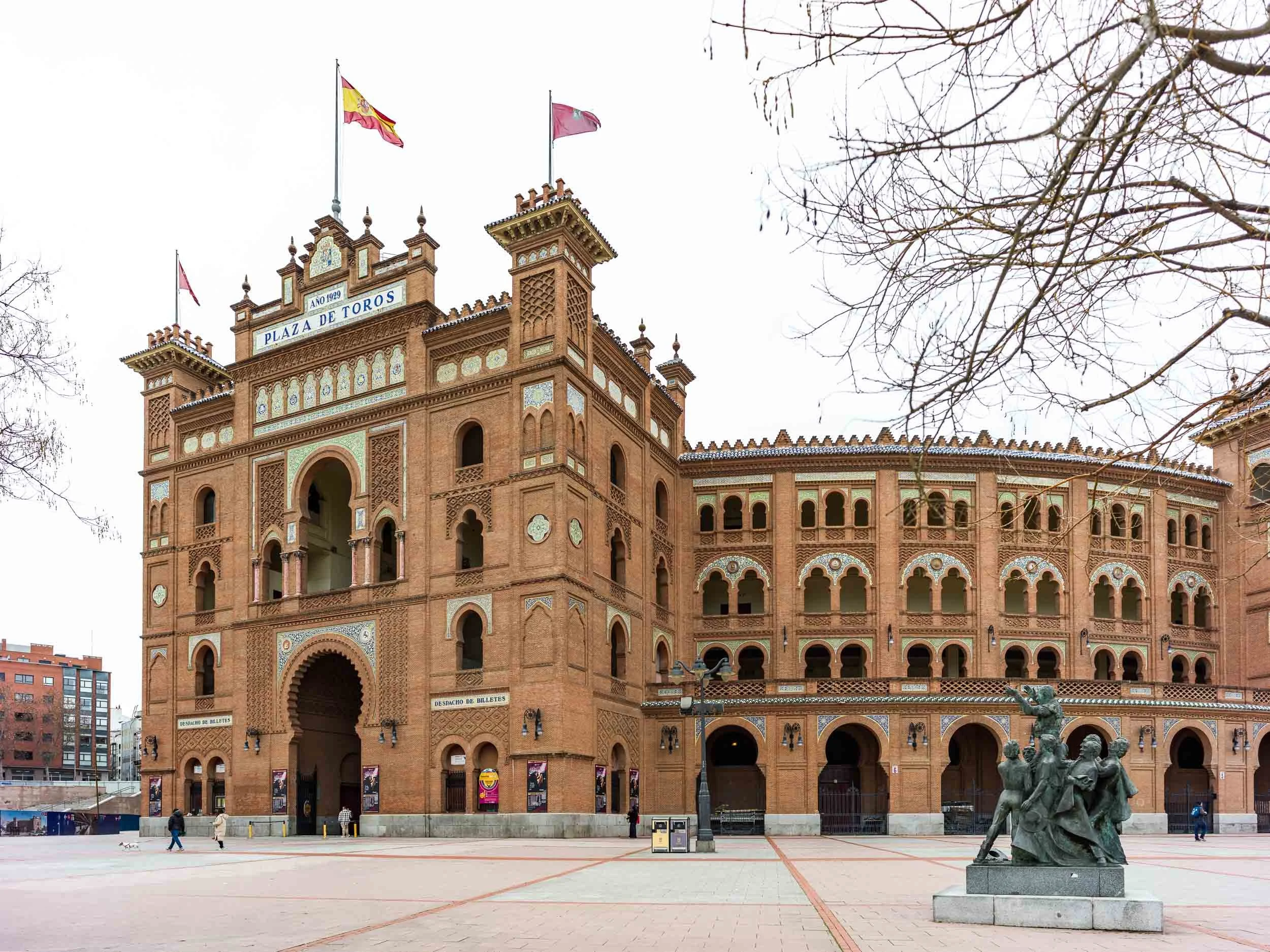
Plaza de Toros de Las Ventas. Bit northeast from downtown Madrid, Spain. Neo-Mudejar style of turn of the century that revived the Islamic artistic traditions.
Even though it was completed in the twentieth century, I couldn’t help noticing features that looked strikingly different from the classical European architecture surrounding it. Horseshoe arches. Intricate tilework. Repeating geometric decoration. Ornamental details that seemed to echo a very different architectural tradition. At the time, I couldn’t fully explain why it felt different. I only knew I was fascinated.
That curiosity would become one of the defining themes of my journey through southern Spain. Looking back now, Madrid wasn’t where I found Islamic architecture. It was where I first began noticing its influence.
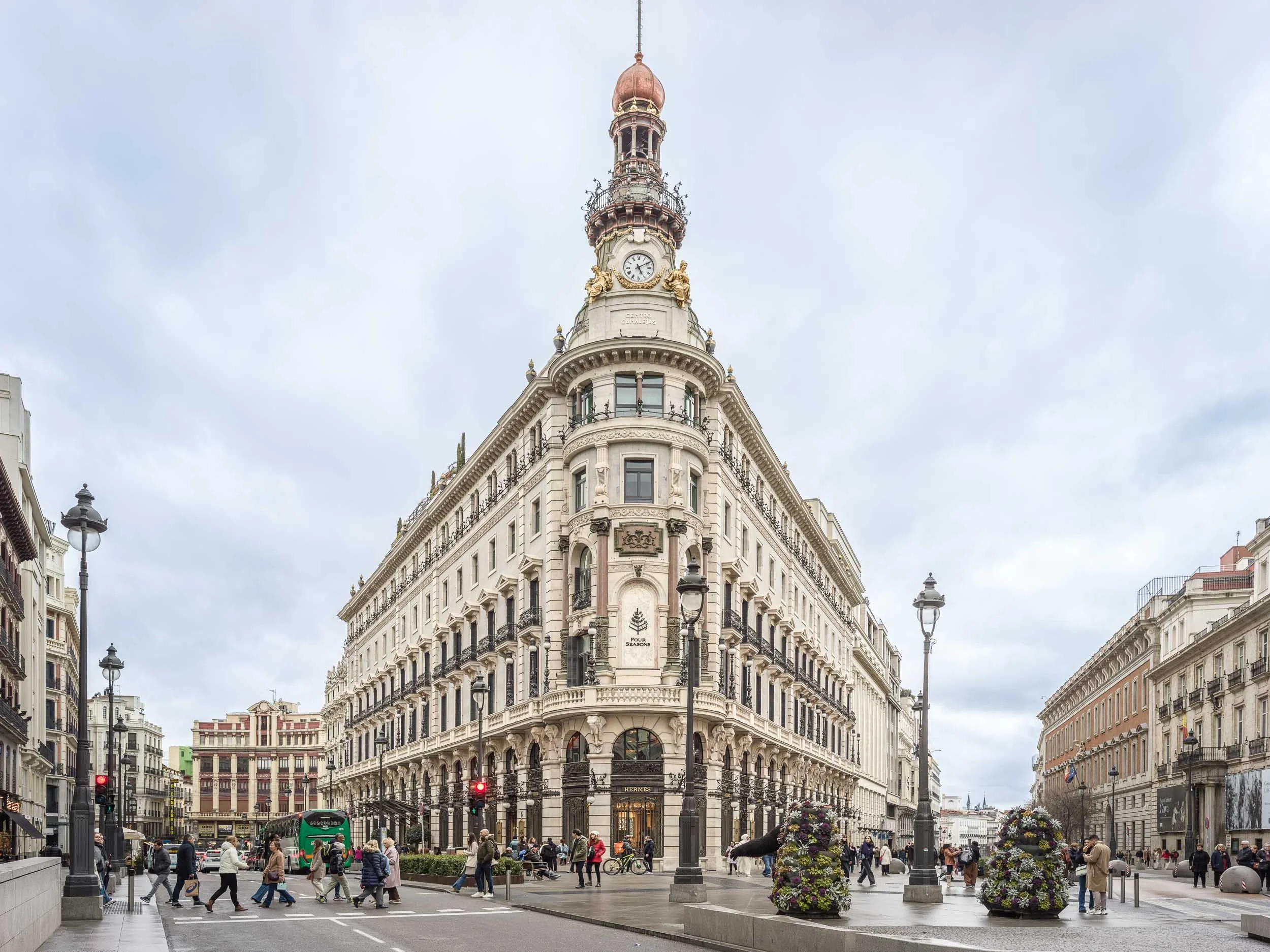
The Four Seasons Hotel in Madrid, Spain. What a beautiful building this is. It has to be, look at the location… in the open corner where you can take it all in from different angles.
In my next post, I’ll head south to Seville, where Islamic architecture would become impossible to ignore—and where my understanding of Spain’s history would begin to change forever.